A car doesn’t need to be filled with gadgets to make driving better.
In fact, some accessories are more useful than others. While there are plenty of products designed to make a car look more luxurious, the best accessories are the ones that solve everyday problems — whether that’s keeping your phone secure, dealing with a flat tyre, staying organised or being prepared for an emergency.
For drivers who spend a lot of time on the road, a few carefully chosen accessories can make a noticeable difference.
Here are 10 practical car accessories worth considering, along with a few things to look for before buying them.
1. Dash Cam
A dash cam is one of the most useful technology upgrades you can add to a car.
It continuously records what’s happening around your vehicle and can provide video evidence after a collision or other road incident.
A good dash cam can also help document hit-and-run incidents, traffic disputes and unexpected events on the road.
Some newer systems offer both front and rear cameras, while others include features such as GPS, parking monitoring and smartphone connectivity.
What to look for
When choosing a dash cam, pay attention to:
- Video resolution
- Night-time recording quality
- Wide-angle coverage
- Storage capacity
- Loop recording
- Parking-mode functionality
- Front and rear camera options
Don’t buy one simply because the box says “4K.”
A camera with good night performance and reliable recording can be more useful than one with a higher advertised resolution but poor image quality in difficult conditions.
GoGreenway tip: If you install a dash cam, position it so that it doesn’t obstruct your view through the windscreen.
2. Smartphone Mount
For many drivers, the smartphone has become an important part of the driving experience.
It can provide navigation, music, calls and other information.
But holding a phone while driving is dangerous and, depending on local laws, may also be illegal.
A properly installed phone mount keeps the device visible without requiring you to hold it.
The best position is one that allows you to glance at navigation information without taking your attention away from the road for longer than necessary.
Common types include:
- Air-vent mounts
- Dashboard mounts
- Windscreen mounts
- Cup-holder mounts
- Magnetic mounts
- Wireless charging mounts
Choose the type that works with your vehicle rather than simply buying the most expensive option.
And remember: a phone mount doesn’t make distracted driving safe.
Set your navigation route before moving and use voice controls where appropriate.
3. Portable Tyre Inflator
A portable tyre inflator can be extremely useful, particularly for drivers who regularly travel long distances.
Tyres naturally lose pressure over time, and a small loss of pressure can affect handling, tyre wear and fuel efficiency.
A portable inflator allows you to restore pressure without immediately having to find a petrol station or tyre shop.
Many modern models plug into the vehicle’s 12-volt socket, while others have rechargeable batteries.
What to look for
Consider:
- Maximum pressure
- Inflation speed
- Battery capacity
- Digital pressure display
- Automatic shut-off
- Cable length
- Compatibility with your vehicle
Keep in mind that a tyre inflator is not a replacement for repairing a damaged tyre.
If a tyre repeatedly loses pressure, find the cause rather than continually adding air.
The U.S. National Highway Traffic Safety Administration recommends checking tyre pressure regularly and following the vehicle manufacturer’s recommended pressure rather than relying on the maximum pressure printed on the tyre itself.
4. Tyre Pressure Gauge
A portable tyre inflator is useful, but a simple tyre-pressure gauge is also worth having.
Why?
Because correct tyre pressure matters.
Underinflated tyres can increase rolling resistance, affect handling and accelerate wear.
Overinflation can also affect handling and tyre performance.
A gauge allows you to check your tyres quickly and independently.
Some inflators have built-in digital pressure gauges, meaning you may not need a separate one.
For drivers who already have an inflator without a reliable pressure display, however, a dedicated gauge is inexpensive insurance.
5. First-Aid Kit
A first-aid kit is one of those accessories you hope you never need.
But that’s exactly why it belongs in your car.
A basic vehicle first-aid kit can help with minor injuries such as cuts, scrapes and small burns while you’re away from home.
A useful kit might include:
- Adhesive bandages
- Sterile gauze
- Medical tape
- Antiseptic wipes
- Disposable gloves
- Scissors
- Tweezers
- Emergency blanket
Make sure you periodically check the contents and replace anything that has expired or been used.
Also remember that a first-aid kit is intended for basic first aid, not to replace professional medical care during a serious emergency.
6. USB-C Car Charger
Phones, navigation devices, dash cams and other electronics can quickly drain their batteries during long journeys.
A good car charger can keep those devices powered.
USB-C has become particularly important because many newer smartphones and other devices use USB-C charging.
When choosing a charger, check its actual power output rather than simply looking for words such as “fast charging.”
A good car charger should ideally offer:
- USB-C Power Delivery
- Enough wattage for your devices
- Multiple ports if you carry several devices
- Appropriate safety protections
- A reputable manufacturer
Avoid extremely cheap chargers from unknown manufacturers.
A poorly made electrical accessory isn’t worth saving a few dollars or naira.
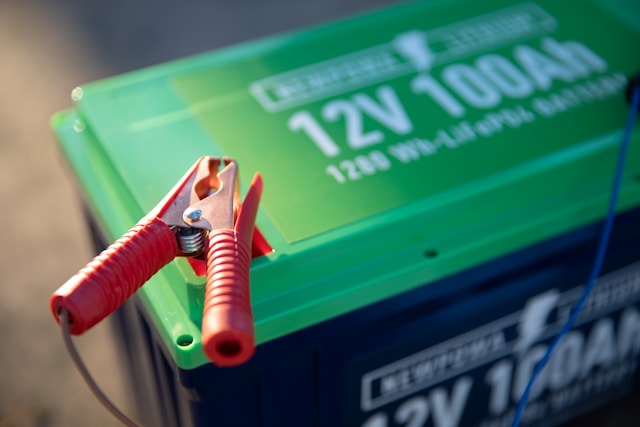
7. Emergency Jump Starter
Traditional jumper cables are useful, but they have one major limitation:
You need another vehicle.
A portable jump starter can eliminate that requirement.
Modern lithium-ion jump starters can be small enough to keep in a glovebox or boot and can provide enough power to start many passenger vehicles when the battery has gone flat.
Some also include:
- USB charging ports
- Built-in flashlights
- Emergency lights
- Battery indicators
- Air compressors
Important:
Check that the jump starter is rated for your vehicle’s engine size and battery type.
And always follow the manufacturer’s instructions when connecting it.
If your vehicle has a hybrid or electric powertrain, don’t assume a conventional jump starter should be connected to the high-voltage battery system.
Always follow the vehicle manufacturer’s instructions.
8. Windshield Sunshade
This is particularly useful in hot climates.
A windshield sunshade can reduce the amount of direct sunlight entering the cabin when the vehicle is parked.
That can help reduce heat buildup and make the car more comfortable when you return.
It can also help protect parts of the interior from prolonged exposure to sunlight.
For drivers in hot regions such as Nigeria, this is a relatively inexpensive accessory that can make a noticeable difference.
Look for:
- A good fit for your windscreen
- Reflective exterior material
- Easy folding or rolling
- Secure storage
- Durable construction
You don’t need an expensive electronic gadget.
A simple, properly fitted sunshade can do the job.
9. Car Emergency Kit
A first-aid kit deals primarily with injuries.
An emergency car kit deals with the vehicle and the situation around it.
Depending on where you drive, your kit could include:
- Reflective warning triangle
- Flashlight
- Spare batteries or rechargeable light
- Work gloves
- Basic tools
- Jumper cables or jump starter
- Tyre inflator
- Tyre-pressure gauge
- Portable power bank
- Water
- Basic cleaning supplies
If you regularly travel long distances, consider adding items appropriate for your route and climate.
The contents of an emergency kit should reflect where and how you drive.
A city commuter doesn’t necessarily need the same equipment as someone travelling hundreds of kilometres between cities.
10. Car Cleaning and Organisation Kit
You don’t need a professional detailing setup to keep your car clean.
A small cleaning and organisation kit can prevent the interior from becoming cluttered.
Useful items include:
- Microfibre towels
- Small interior brush
- Portable vacuum
- Screen-safe cleaner
- Small rubbish bin
- Cable organiser
- Boot/trunk organiser
A boot organiser is particularly useful for keeping emergency equipment, cleaning products and other items from rolling around.
Keeping the cabin organised also makes it easier to find important equipment when you actually need it.
5 More Accessories Worth Considering
The ten items above cover most everyday needs, but several other accessories can be useful depending on your vehicle and lifestyle.
11. Rear-Seat Organiser
Families can benefit from a seat-back organiser for storing:
- Water bottles
- Charging cables
- Books
- Snacks
- Tablets
- Small travel items
It can be especially useful on longer journeys.
12. Seat-Gap Organiser
We’ve all dropped something between the seat and centre console.
A seat-gap organiser helps prevent small items such as coins, cards and keys from disappearing into that space.
It’s a small convenience, but one you’ll appreciate surprisingly often.
13. Trunk/Boot Mat
A rubberised boot mat can protect the original carpeting from:
- Mud
- Water
- Dirt
- Spilled liquids
- Groceries
- Tools
For people who frequently transport equipment or groceries, it can be a worthwhile investment.
14. Portable Vacuum
If you eat in your car, carry children or regularly transport pets, a portable vacuum can make cleaning much easier.
A compact rechargeable model is generally more convenient than dragging a household vacuum outside every time the interior needs attention.
15. Cargo Net
A cargo net can stop loose items from sliding around the boot.
This is particularly useful for groceries, luggage and smaller objects that might otherwise move around while driving.
Accessories You Should Think Twice About
Not every car gadget advertised online is worth buying.
Some products are mostly gimmicks, while others can create safety problems.
Cheap Blind-Spot Mirrors
Small blind-spot mirrors can provide additional visibility, but they shouldn’t be treated as a substitute for proper mirror adjustment or the vehicle’s blind-spot monitoring system.
Decorative Steering-Wheel Accessories
Anything that interferes with your ability to properly control the steering wheel should be avoided.
The same applies to accessories that could interfere with an airbag.
Unbranded Electrical Accessories
Cheap chargers, adapters and other electrical devices from unknown manufacturers can be a false economy.
Quality and safety matter more than saving a small amount of money.
Excessive Dashboard Decorations
Your dashboard isn’t the place to display dozens of accessories.
Anything that blocks your view or becomes a projectile during a crash is a bad idea.
What Should You Buy First?
You don’t need to buy everything at once.
If you’re building your car accessory kit from scratch, I’d prioritise the following:
Priority 1 — Safety
- First-aid kit
- Emergency kit
- Tyre-pressure gauge
- Tyre inflator
- Jump starter
Priority 2 — Everyday convenience
- Phone mount
- USB-C charger
- Sunshade
- Boot organiser
Priority 3 — Technology
- Dash cam
- Portable vacuum
- Other smart accessories
This approach keeps you from spending money on gadgets you rarely use.
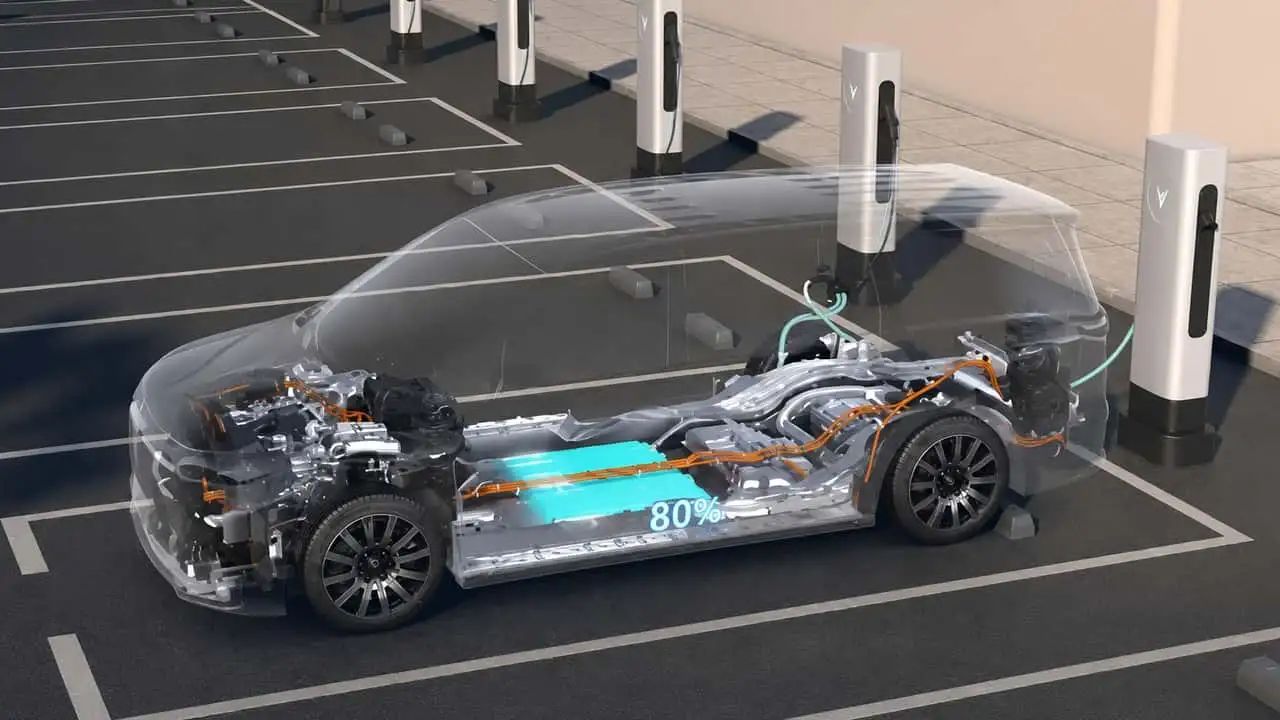
What About Electric Cars?
EV owners should also think about accessories differently.
You may want to consider:
- A reliable charging cable
- Appropriate home-charging equipment
- Cable storage
- Charging adapters approved for your vehicle
- Portable tyre inflator
- Emergency kit
- Boot organiser
But there is one important warning.
Don’t buy random EV charging adapters simply because they are cheap.
Charging equipment deals with significant electrical power. Use equipment that is compatible with your vehicle and electrical system and follow the manufacturer’s instructions.
For home charging, professional installation may also be appropriate depending on the equipment and local electrical requirements.
The Best Car Accessories Are the Ones You Actually Use
It’s easy to spend hundreds of dollars — or hundreds of thousands of naira — filling a vehicle with gadgets.
You don’t need to.
A good car accessory should solve a real problem.
A dash cam can provide useful evidence.
A tyre inflator can save a trip to the tyre shop when you simply need to restore pressure.
A jump starter can get you moving after a flat battery.
A phone mount can make navigation more convenient.
A sunshade can make a hot car more comfortable.
And a basic emergency kit can be invaluable when something unexpected happens.
The goal isn’t to turn your car into a showroom full of gadgets.
It’s to make the vehicle safer, more practical and easier to live with.
GoGreenway Verdict
If you’re buying car accessories, don’t start with what’s trending on social media.
Start with what you actually need.
For most drivers, I’d put a first-aid/emergency kit, tyre-pressure equipment, a phone mount, a quality charger and a dash cam near the top of the list.
From there, choose accessories based on your driving conditions.
Someone commuting around Lagos every day may prioritise different equipment from someone regularly travelling long distances between Nigerian cities.
And someone driving an EV will have different charging-related needs from someone driving a petrol vehicle.
The best accessory isn’t necessarily the most expensive one. It’s the one that solves a problem before that problem becomes an inconvenience.