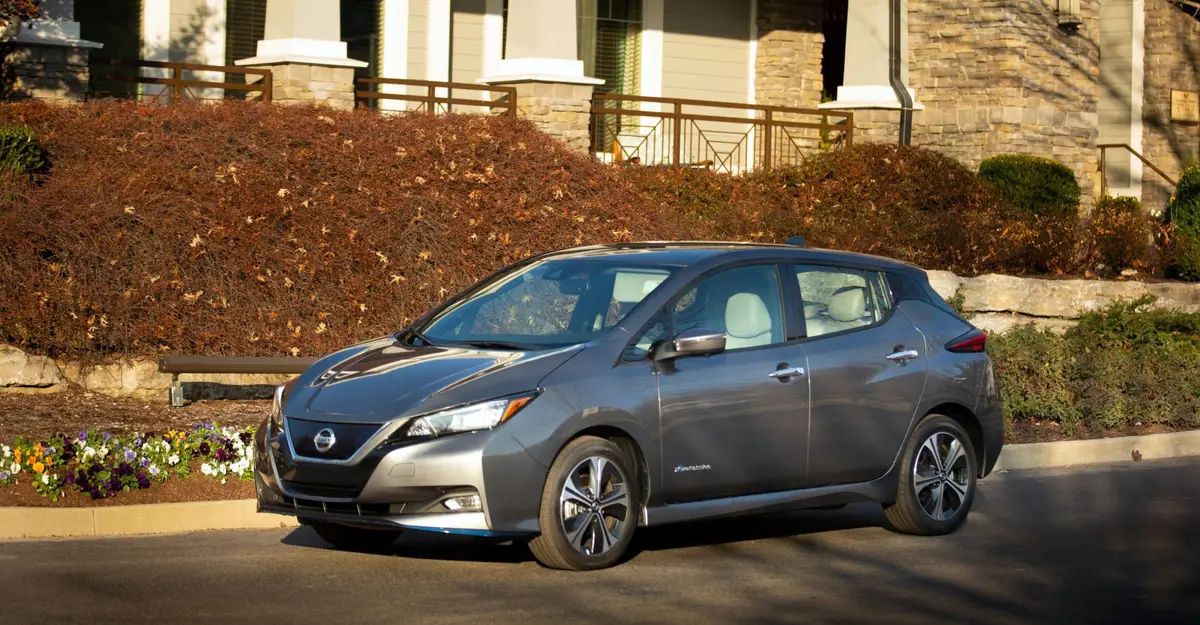
Nissan is recalling more than 19,000 LEAF electric cars in the United States because a problem inside the vehicles’ lithium-ion battery cells could cause the battery to overheat during DC fast charging, increasing the risk of a fire.
The recall covers 19,077 Nissan LEAF vehicles and affects certain model years from 2019 through 2022, depending on the specific vehicle and battery configuration. The affected cars are equipped with a Level 3 quick-charging port.
For owners, the most important point is straightforward:
Nissan is advising affected drivers not to use Level 3/DC fast charging until the recall repair has been completed.
What Is Causing the Problem?
The problem originates inside the LEAF’s lithium-ion battery cells.
According to recall information, some affected batteries may contain excessive lithium deposits.
These deposits can increase electrical resistance inside the battery.
When the vehicle is connected to a Level 3 fast charger, that increased resistance can cause the battery to heat up rapidly.
In the worst case, the overheating could result in a battery fire.
This is therefore not simply a case of the LEAF getting warm during charging.
The concern is that a specific battery-cell condition can cause abnormally rapid heating under high-power charging conditions.
Which Nissan LEAFs Are Affected?
The recall involves 19,077 vehicles in the United States.
Affected vehicles include certain LEAFs from the 2019–2022 model years, with the current recall specifically covering certain vehicles equipped with Level 3 quick-charging capability.
The battery issue affects both the 40-kWh and 62-kWh battery configurations in the relevant vehicles.
However, owners should not determine eligibility based solely on the model year.
The safest approach is to check the vehicle’s VIN against the applicable recall database.
What Is Level 3 Charging?
This is an important distinction for LEAF owners.
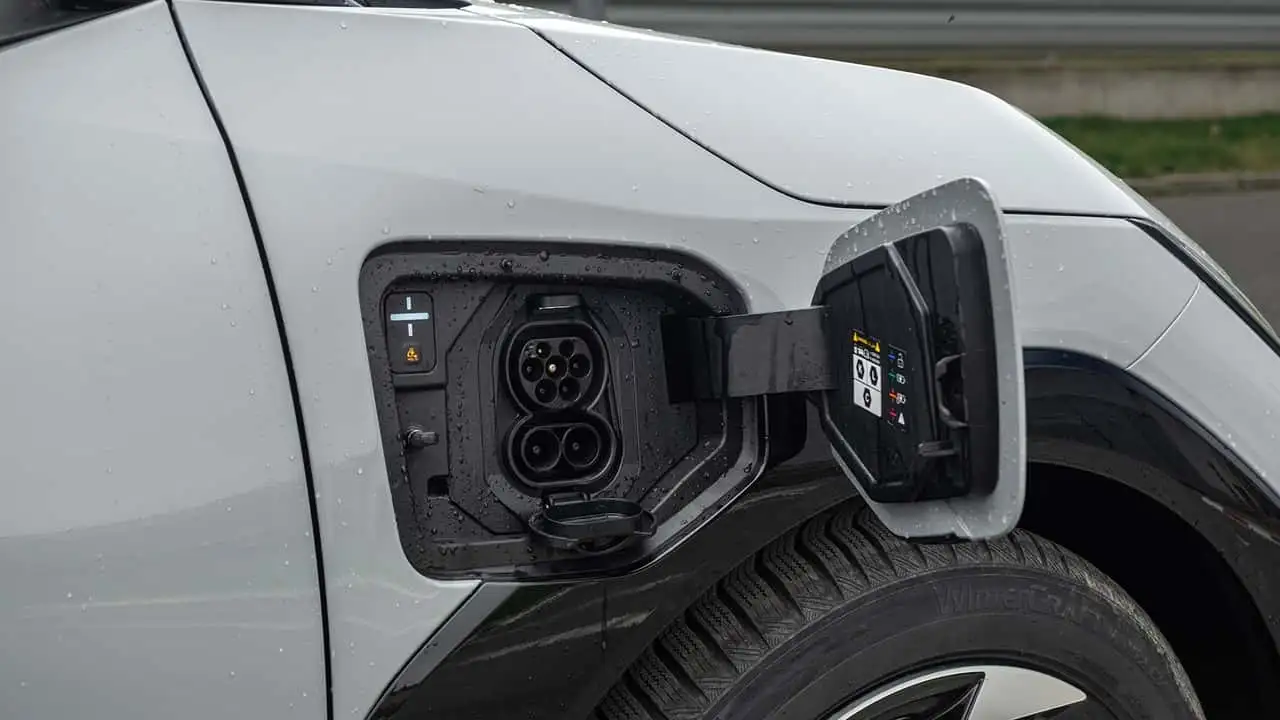
A Level 3 charger, commonly referred to as DC fast charging, delivers electricity to an EV at much higher power than ordinary AC charging.
That’s what makes it useful when you need to recharge quickly during a journey.
Instead of leaving the car connected for many hours, DC fast charging can add a significant amount of energy in a much shorter period.
But the higher charging power also puts greater demands on the battery system.
In the recalled LEAFs, the battery-cell problem can become dangerous specifically under these fast-charging conditions.
What Should Owners Do?
If your LEAF is affected by this recall, follow Nissan’s safety instructions.
The interim guidance is to avoid Level 3/DC fast charging until the recall remedy has been completed.
Owners should contact Nissan or an authorised dealer for further instructions.
Don’t attempt to repair or modify the high-voltage battery yourself.
EV battery systems operate at potentially dangerous voltages and should only be serviced using the manufacturer’s specified procedures and appropriately trained technicians.
What Is Nissan’s Fix?
Nissan is developing a software update for the battery management system.
The update is intended to detect the problematic battery condition and prevent continued charging when dangerous heating is detected.
The recall repair will be performed free of charge through Nissan dealers once the remedy is available.
The timing of the final repair was dependent on Nissan completing the software remedy.
Are There Warning Signs?
One of the more concerning aspects of this recall is that owners may not have an obvious warning that their particular vehicle contains the problematic condition.
That means owners shouldn’t rely on a dashboard warning to determine whether their car is affected.
Instead, check the vehicle’s VIN against the recall information.
If your vehicle is included, follow Nissan’s instructions even if the car has been operating normally.
Does This Mean Every Nissan LEAF Is Dangerous?
No.
A recall involving a specific group of vehicles doesn’t mean every LEAF has the same defect.
The recall concerns particular vehicles and battery conditions.
It’s also important to understand that EV batteries do not normally catch fire simply because they are being fast-charged.
Modern electric vehicles use battery-management systems designed to monitor charging and battery conditions.
The problem here is a specific manufacturing-related condition identified in certain battery cells.
Why This Recall Matters for EV Owners
The Nissan LEAF recall highlights one of the most important areas of electric-vehicle engineering:
Battery management.
An EV battery isn’t simply a large collection of cells.
The vehicle continuously monitors factors such as:
- Battery temperature
- Voltage
- Current
- State of charge
- Charging conditions
- Cell behaviour
The battery-management system uses this information to keep the pack operating within safe limits.
When something goes wrong at the cell level, the software and hardware monitoring systems become critical.
What This Means for Used Nissan LEAF Buyers
This recall is particularly relevant to people considering an imported used LEAF.
The Nissan LEAF is one of the older and more established mass-market EVs, which means used examples can be attractive to buyers looking for a relatively affordable electric car.
But a used EV requires more than a normal mechanical inspection.
Before purchasing one, check:
1. The VIN
Get the vehicle’s complete VIN.
2. Recall history
Check whether the vehicle has outstanding recalls.
3. Battery condition
Find out the condition and usable capacity of the battery.
4. Charging system
Check that both AC and DC charging systems operate correctly where applicable.
5. Battery history
Ask whether the vehicle has previously experienced battery-related repairs or recalls.
6. Service records
Review whatever maintenance and repair records are available.
A cheap used LEAF isn’t necessarily a bargain if the battery has serious problems or an outstanding safety recall.
What About Nissan LEAFs Imported Into Nigeria?
This is an important consideration for GoGreenway readers.
A vehicle can be imported into Nigeria from the United States or another market while still carrying an outstanding recall.
So if you’re considering a used LEAF, don’t rely only on what the seller tells you.
Get the VIN before completing the purchase and check its recall history.
This is especially important for imported EVs because the vehicle’s original market may have different recall systems, warranty arrangements and dealer support from the country where you eventually use it.
Can You Still Charge an Affected LEAF?
The important distinction is between Level 3/DC fast charging and ordinary AC charging.
The recall guidance specifically addresses the risk associated with Level 3 quick charging. Owners should follow Nissan’s instructions for their individual vehicle rather than assuming that all charging methods carry the same risk.
If your vehicle is affected, don’t improvise.
Check the official recall instructions and contact Nissan or an authorised repair facility.
This Isn’t Nissan’s First LEAF Battery Recall
The 2025 recall follows an earlier recall involving certain older LEAF vehicles and a similar fast-charging battery-fire concern.
That earlier campaign involved certain 2019 and 2020 LEAFs, while the newer recall expands attention to additional vehicles.
This doesn’t mean the LEAF’s entire battery design is defective.
Rather, it shows why manufacturers continue monitoring EV batteries after vehicles have entered the market.
What EV Buyers Should Learn From This
There is a broader lesson here for anyone considering an electric vehicle.
When comparing EVs, don’t look only at:
Range + price + acceleration.
Also investigate:
- Battery warranty
- Battery chemistry
- Charging system
- Thermal management
- Recall history
- Software updates
- Availability of qualified technicians
- Replacement-battery costs
- Manufacturer support
This becomes particularly important when buying a used EV.
GoGreenway Verdict
Nissan’s recall of more than 19,000 LEAF EVs is a serious reminder that battery safety remains an important part of electric-vehicle ownership.
The affected vehicles can develop excessive lithium deposits within battery cells, increasing electrical resistance and potentially causing rapid overheating during Level 3/DC fast charging. In the worst-case scenario, that could result in a fire.
The good news is that Nissan has identified a software-based remedy and will provide the recall repair at no cost.
For owners of affected vehicles, the most important step is simple:
Follow Nissan’s instructions and avoid Level 3 fast charging until the recall repair has been completed.
For used-EV buyers, there’s an equally important lesson:
Always check the VIN and recall history before buying an imported electric car.
Sources
- Reuters — reporting on Nissan’s 19,077-vehicle U.S. recall.
- Cars.com — additional reporting on the affected LEAF models and battery issue.
- Car and Driver — technical explanation of the battery-cell issue and recall.